
Seasons
Everest Base Camp in December and winter
Winter is the Everest Base Camp trek's best-kept secret and its hardest test. The skies are often the clearest of the year and the trail is quiet, but the nights high up are bitterly cold. This is what December, January and February are really like, and who should go.


The short answer
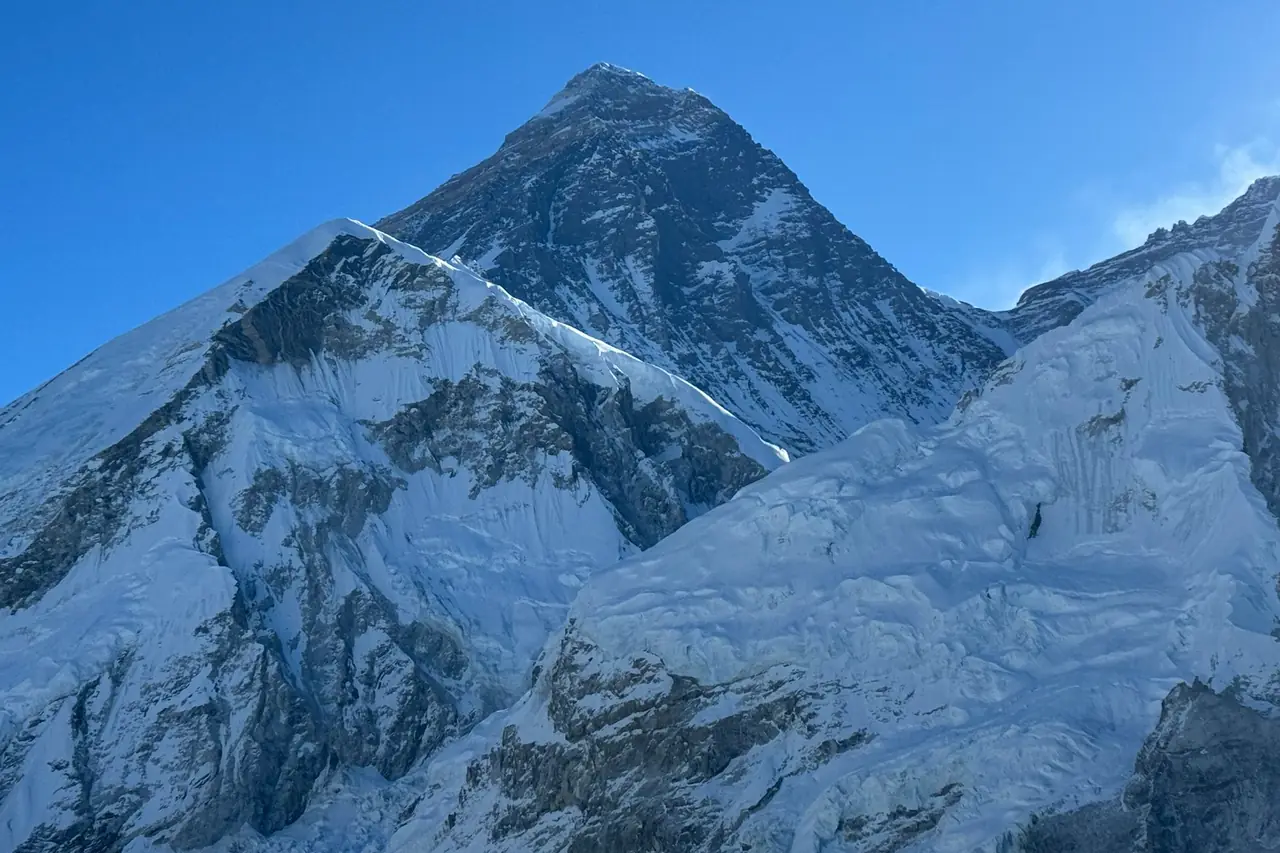
December is a good month for the Everest Base Camp trek if you are ready for the cold. The autumn crowds have gone, the air is usually dry and clear, and the views of Everest, Lhotse and Ama Dablam can be sharper than at any other time. January and February are colder still, with more chance of snow and more lodges closed high up. If cold nights worry you, choose October, November, or March to May instead.
Month by month
| Month | What it is like |
|---|---|
| Early December | Often clear and settled, cold at night, the trail much quieter than November. The best of winter. |
| Late December | Colder, still often clear. Busy for a few days around Christmas and New Year. |
| January | The coldest month. Snow is more likely, and some lodges near the top close. |
| February | Still cold, with snowfall more likely than in December. Days lengthen towards the end of the month. |
How cold does it get?
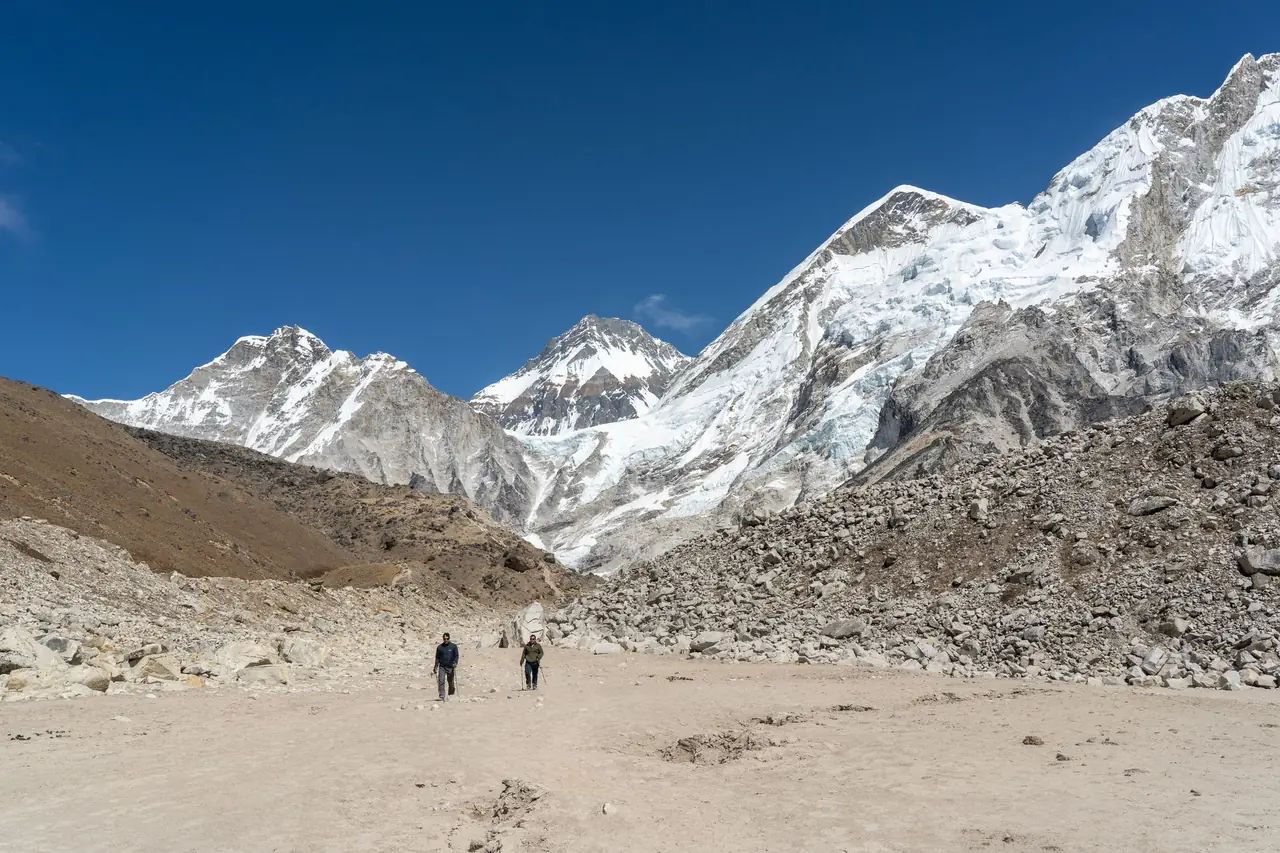
In the lower valley, around Lukla and Namche, winter days are often bright and pleasant in the sun, and nights fall below freezing. Higher up the cold is serious. At Lobuche and Gorak Shep, above 4,900 m, nights can fall to around minus 15 °C or lower, and wind makes it feel colder. Water bottles freeze unless they sleep in your sleeping bag.
The days are short, too. The sun leaves the valley floor by mid-afternoon, and that is when the temperature drops. Plan to arrive at each lodge early, and keep the morning start for the long days.
The good things about winter
- Clear views. After the monsoon has washed the air and the autumn haze has gone, December mornings are often cloudless.
- Quiet trails. You will share the lodges with far fewer people than in October or November, and it is easier to get a room at the top.
- The lodge stove. Evenings round the dining-room stove, often fuelled with dried yak dung, are the warmest and friendliest part of a winter day.
The hard things
- Cold nights at altitude. Cold makes you breathe faster and lose more water, and it disturbs sleep. Both matter above 4,000 m. Read altitude sickness on a Nepal trek before you go.
- Closed lodges. Some lodge owners spend the deep winter lower down, so January and February have fewer places to stay near the top. A guide who knows which lodges are open matters more now than in autumn.
- Snow. A heavy fall can close the trail above Dingboche for a day or two. Keep a spare day in your plan, and carry microspikes.
- Morning fog in Kathmandu. Winter fog in the Kathmandu valley can hold the early Lukla flights. Our trip keeps a spare day in Kathmandu at the end, so a delay does not cost you your flight home. Lukla flights from Ramechhap explains how the flights work.
What to pack for winter
Everything on our Nepal trekking packing list, plus:
- a sleeping bag rated to about minus 15 °C or colder, or a good bag and a fleece liner
- a heavy down jacket, worn in the evenings and on the dawn climb of Kala Patthar
- warm mittens over thin gloves, a hat and a buff
- microspikes for icy paths
- spare batteries, kept warm in an inside pocket, because the cold drains them fast
Down jackets and sleeping bags can be hired in Kathmandu if you would rather not buy them.
Who should go in winter, and who should not
Winter suits fit walkers who sleep well, cope with cold, and want quiet trails and clear views. It is less suited to a first trip to altitude if you feel the cold badly, or if your dates have no room for a spare day. If you want a shorter winter trip with the same mountains, the Everest Panorama trek stays lower, where the nights are kinder.
Planning a December trek
Look at the set departures and the full day by day on the Everest Base Camp trek page, and see what the trek costs before you book. If none of the dates suit you, you can ask for your own dates.


